Understanding Felt Roofing: Core Concepts and Types
Felt roofing has long been a popular choice for many homeowners, especially those with flat or low-pitched roofs. This type of roofing system is known for its durability, affordability, and weather resistance. When exploring options, felt roofing provides comprehensive insights into the various types of materials and installation methods available. This article delves into the core concepts of felt roofing, different types of systems, and the numerous benefits they bring to residential and commercial properties.
What is Felt Roofing and How Does it Work?
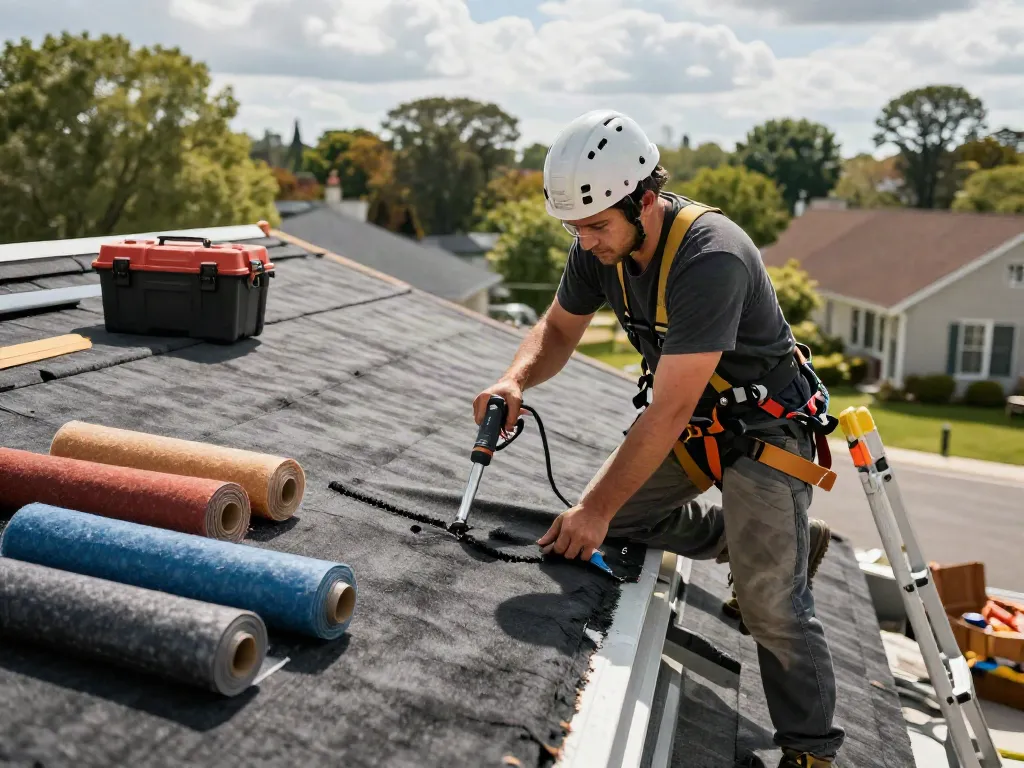
Felt roofing consists of layers of durable materials that are applied over a roof deck to create a waterproof barrier. The most common types of felt roofing include bitumen felt, which is often used for flat roofs, and torch-on felt, which provides a seamless finish that is particularly effective against water ingress. The application involves heating the felt to bond it securely to the surface, ensuring a long-lasting and resilient roofing system.
Different Types of Felt Roofing Systems
There are several types of felt roofing systems, including:
- Traditional Bitumen Felt: This is the most basic form, made from layers of bitumen and reinforced with fibreglass or polyester. It is cost-effective but may have a shorter lifespan compared to modern variants.
- Torch-On Felt: This method uses heat to melt the bitumen and bond it to the substrate, creating a watertight seal that significantly enhances durability.
- Self-Adhesive Felt: This type features a peel-and-stick backing, making it easier to install without the need for heat. It’s especially useful for DIY enthusiasts.
Benefits of Modern Felt Roofing Solutions
Modern felt roofing solutions offer a range of benefits, making them an appealing choice for homeowners. Some key advantages include:
- Weather Resistance: Modern felt roofing systems are designed to withstand harsh environmental conditions, making them ideal for regions prone to heavy rain and snow.
- Energy Efficiency: Some felt roofing options come with insulating properties that help to reduce heat loss, leading to lower energy bills.
- Longevity: When installed correctly, felt roofing can last anywhere from 10 to 30 years, depending on the materials used.
The Importance of Choosing Experienced Roofing Specialists
Selecting the right roofing contractor is crucial to the success of your felt roofing project. Experienced roofing specialists can assess your roof accurately, recommend the best materials, and ensure proper installation to prevent future issues.
Why Experience Matters in Felt Roofing Installations?
Choosing a roofing contractor with extensive experience in felt roofing installations is essential. They will have the skills and knowledge to handle the unique challenges posed by different roofing types and structures. An experienced roofer can identify potential problems before they escalate and provide effective solutions.
How to Identify Qualified Roofing Contractors
To find qualified roofing contractors, start by looking for the following:
- Licenses and Certifications: Ensure that the contractor holds the necessary licenses and certifications that comply with local regulations.
- Insurance: A reputable contractor will have liability insurance and worker's compensation to protect both themselves and you in case of accidents during the project.
- Experience and Reviews: Look for contractors with a proven track record of successfully completed projects. Online reviews and testimonials can provide insight into their reliability and quality of work.
Checking References and Insurance: Best Practices
Before hiring a contractor, always ask for references and verify their insurance policies. Contact previous clients to gauge their satisfaction with the work performed and ensure the contractor maintains good relationships with their customers.
How to Request and Compare Roofing Quotes Effectively
Requesting quotes is an integral part of choosing the right roofing contractor for your felt roofing project. It's essential to approach this process methodically to ensure you're making an informed decision.
Steps to Request Quotes from Local Contractors
To effectively request quotes, follow these steps:
- Identify local roofing contractors that specialize in felt roofing.
- Prepare detailed information about your roofing needs, including the size of your roof, existing damage, and your specific requirements.
- Contact multiple contractors to obtain quotes and ask them to inspect your roof if necessary.
What to Look for in a Roofing Quote
When reviewing quotes, consider the following elements:
- Total Cost: Ensure the quote includes all costs, such as materials, labor, and any additional fees.
- Materials Used: Check the quality and type of materials being proposed, as this significantly affects the project's longevity.
- Timeline: Understand the projected timeline for the project to ensure that it fits within your schedule.
Comparing Quotes: Price, Materials, and Workmanship
After gathering multiple quotes, take time to compare them comprehensively. While price is a critical factor, it's important to consider materials, warranties, and the contractor's reputation as well. Sometimes, a slightly higher price may justify better quality materials or craftsmanship.
Common Challenges and Solutions in Felt Roofing Maintenance
Maintenance of felt roofing can present certain challenges, but understanding these can help you mitigate issues before they escalate into costly repairs.
Identifying Leaks and Damage Early
Regular inspections are key to identifying leaks and damage early. Signs to look for include:
- Water stains on ceilings or walls.
- Visible cracks or blisters in the felt material.
- Puddles or pooling water on the roof surface.
Best Practices for Maintaining Felt Roof Longevity
To ensure the longevity of your felt roofing, follow these maintenance tips:
- Keep the roof surface clear of debris and vegetation that can trap moisture.
- Inspect and clear gutters and drainage systems regularly to avoid blockages.
- Schedule periodic professional inspections to catch any issues early on.
When to Repair vs. Replace Your Felt Roof
Determining whether to repair or replace your felt roof can be challenging. If the damage is localized and minor, a repair might suffice. However, if the roof is nearing the end of its lifespan or has extensive damage, replacement may be the most cost-effective solution in the long run.
Future Trends in Felt Roofing: Innovations and Sustainability
As the construction and roofing industries evolve, so do the materials and practices used in felt roofing. Emerging trends indicate a shift towards more sustainable and energy-efficient options.
Emerging Technologies in Felt Roofing Materials
Innovations in materials, such as breathable felt that allows moisture to escape, are gaining popularity. These new materials help prevent issues like mold and rot, extending the life of the roof.
Sustainable Practices in Roofing Installations
Many roofing contractors are now adopting eco-friendly practices, such as using recycled materials and implementing waste reduction strategies during installations. This shift benefits the environment and can lead to long-term savings for homeowners.
Predictions for Felt Roofing in 2026 and Beyond
Looking ahead, the felt roofing industry is likely to see continued advancements in energy efficiency, durability, and sustainability. Homeowners can expect to have access to even more innovative materials and solutions that offer superior protection and efficiency.
What are the key benefits of felt roofing?
Felt roofing provides numerous benefits, including affordability, easy installation, and durability. It is particularly well-suited for flat roofs, offering excellent weather resistance and energy efficiency when properly installed.
How do I know if my felt roof needs repair?
Signs of deterioration, such as leaks, water stains, and visible damage to the felt, indicate that your roof may need repair. Regular inspections can help you catch these issues early.
What should I consider when comparing roofing contractors?
When comparing contractors, consider their experience, references, insurance coverage, and the quality of materials they use. Price is important, but it shouldn't be the only factor in your decision-making process.
Which materials are the best for modern felt roofing systems?
Modern felt roofing systems often utilize reinforced felt materials, such as torch-on felt or self-adhering membranes, which provide enhanced durability and weather resistance.
Are there energy-efficient options for felt roofing?
Yes, many modern felt roofing materials come with insulation options that improve energy efficiency, helping to reduce heating and cooling costs in your home.