
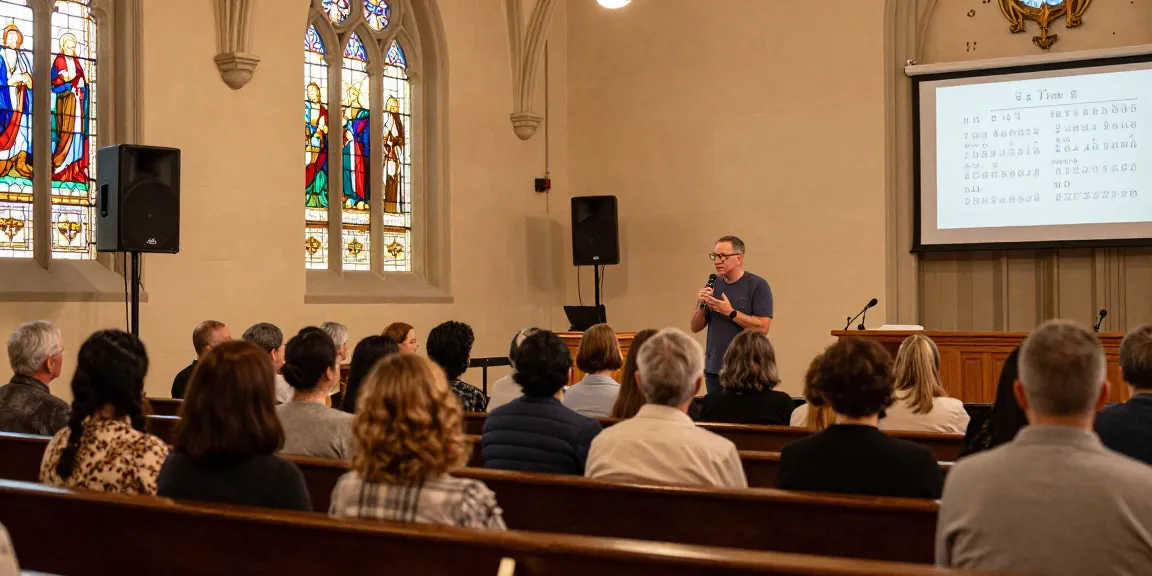
Understanding Church Sound System Installation
In today's worship environments, audio quality plays a pivotal role in enhancing the congregational experience. A well-designed church sound system installation not only ensures that sermons and music are heard clearly but also fosters engagement and connection within the community. With advancements in technology, the installation processes and equipment have evolved, making it essential for churches to understand their specific acoustic needs and available solutions.
What is a Church Sound System?
A church sound system is a specialized audio setup designed to amplify sound in worship spaces, ensuring that both spoken words and musical performances reach every member of the congregation. This system typically includes microphones, speakers, amplifiers, mixing consoles, and various support equipment, tailored to suit the unique architectural features and acoustic characteristics of the church.
The Importance of Audio Quality in Worship
Audio quality in a church setting is crucial for several reasons:
- Enhancing Communication: Clear audio helps convey messages effectively, ensuring that all attendees can understand sermons and teachings.
- Engagement: Good sound quality enhances the worship experience, allowing music and spoken word to resonate emotionally with congregants.
- Inclusivity: High-quality audio systems cater to all members, including those with hearing impairments, by utilizing assistive listening devices and hearing loops.
Core Components of a Sound System
The core components of a church sound system include:
- Microphones: These capture sound from speakers or musicians, crucial for amplifying their voice or instrument.
- Speakers: These are responsible for delivering sound throughout the worship space, with placement being key to achieving effective audio coverage.
- Mixing Consoles: These allow sound engineers to adjust levels, effects, and overall sound quality, providing a polished audio experience.
Assessing Acoustic Needs for Your Church
Before implementing a sound system, it’s essential to assess the acoustic needs of your church space. This assessment will ensure that the installation meets both functional and aesthetic requirements.
Evaluating Your Space: Size and Design
The size and design of the church play a significant role in determining the sound system setup. Large, high-ceilinged spaces may require more sophisticated sound distribution solutions compared to smaller, more intimate environments. An assessment should involve evaluating the layout, materials used in construction, and existing sound challenges.
Common Acoustic Challenges in Churches
Churches often face unique acoustic challenges, including:
- Echo and Reverberation: Hard surfaces can create echoes, making it difficult for congregants to understand speech.
- Background Noise: Ambient noise from outside or within the church can interfere with worship services.
- Uneven Sound Distribution: Sound may not reach all areas of the congregation evenly, leading to some areas being too loud while others are too quiet.
Best Practices for Sound Assessment
To effectively assess your church's acoustic needs, consider the following best practices:
- Conduct a thorough sound check during various activities, including speaking and music performances.
- Use measurement tools to analyze frequency response and identify dead spots in the space.
- Consult with an acoustic expert who can provide insights into possible solutions tailored to your specific environment.
Choosing the Right Equipment for Installation
Once you have assessed the acoustic needs, the next step is selecting appropriate equipment. This involves not only understanding the types of equipment available but also how they fit into your specific church environment.
Microphones: Types and Their Uses
Choosing the right microphones is vital for capturing clear audio. Options include:
- Dynamic Microphones: Best for loud sound sources like drums or electric guitars.
- Condenser Microphones: Great for vocals and softer sounds, capturing a broader frequency range.
- Lavalier Microphones: Small, clip-on mics ideal for speakers who need hands-free operation.
Speakers: Placement and Selection
Speaker placement is critical in achieving balanced sound distribution. Consider the following:
- Positioning: Speakers should be located to minimize echoes while maximizing coverage.
- Type: Choose between indoor speakers for worship areas and outdoor speakers for community events.
Mixing Consoles: User-Friendly Options
When selecting a mixing console, look for options that are:
- User-Friendly: An intuitive interface can help reduce the learning curve for volunteers.
- Expandable: Systems that allow for future upgrades as your needs evolve.
Installation Process for Church Sound Systems
The installation of a church sound system is a complex process that requires careful planning and execution. Here’s a breakdown of the steps involved.
Planning Your Installation Timeline
Establishing a timeline is important to ensure that the installation does not disrupt regular worship activities. Begin with a detailed project plan that includes key milestones and deadlines.
Collaboration with Professional Installers
Working with experienced AV installers can greatly improve the quality of your sound system. They can provide valuable insights into the best practices for installation tailored to your specific requirements.
Testing and Tuning Your Sound System
After installation, testing and tuning the sound system is crucial. This process may involve:
- Running sound checks to evaluate clarity and volume levels.
- Making necessary adjustments based on feedback from congregants.
Future Trends in Church Sound System Technology
As technology continues to evolve, several trends are shaping the future of church sound systems. Understanding these innovations can help churches stay ahead of the curve.
Innovations in Audio Technology for Worship
Recent advancements in audio technology include:
- Wireless Technology: Reducing cable clutter and allowing for more flexible setups.
- Smart Speakers: Utilizing AI to adjust sound dynamically based on the environment.
Integration with Live Streaming Solutions
Many churches are now integrating their audio systems with live streaming solutions to reach wider audiences. This requires:
- High-quality microphones that can capture sound clearly for both live attendees and online viewers.
- Mixing consoles equipped for both live and streaming purposes.
Preparing for Future Audio Needs in 2026 and Beyond
As we move into 2026, churches should be proactive in adapting their sound systems to accommodate future technologies. This includes:
- Investing in scalable systems that can adapt to changing requirements.
- Considering environmental factors and the potential need for sound reinforcement in outdoor settings.
Frequently Asked Questions
What are the costs associated with church sound system installation?
The costs can vary significantly based on the size of the church, the complexity of the system, and the equipment chosen. Basic installations may start from a few thousand pounds, while more comprehensive systems can reach tens of thousands, especially when integrating advanced technologies.
How can I improve sound quality in my church?
Improving sound quality can involve several strategies including investing in high-quality microphones, proper speaker placement, and regular maintenance of the sound system. Conducting acoustic assessments can also provide insights into specific improvements.
What are the benefits of professional installation?
Professional installation ensures that the system is set up correctly, reducing the likelihood of future issues. Experts can also provide tailored solutions that meet specific needs, which might be overlooked in a DIY approach.
What technologies are emerging in church sound systems?
Emerging technologies include advanced wireless systems, smart audio solutions that adjust in real-time based on audience size, and integrated AV systems for seamless operation across different media formats.
How often should sound systems be upgraded or maintained?
Regular maintenance is advisable at least once a year, with upgrades occurring every few years or as technology advances. Keeping systems updated ensures that the church remains equipped with the best audio technology possible.