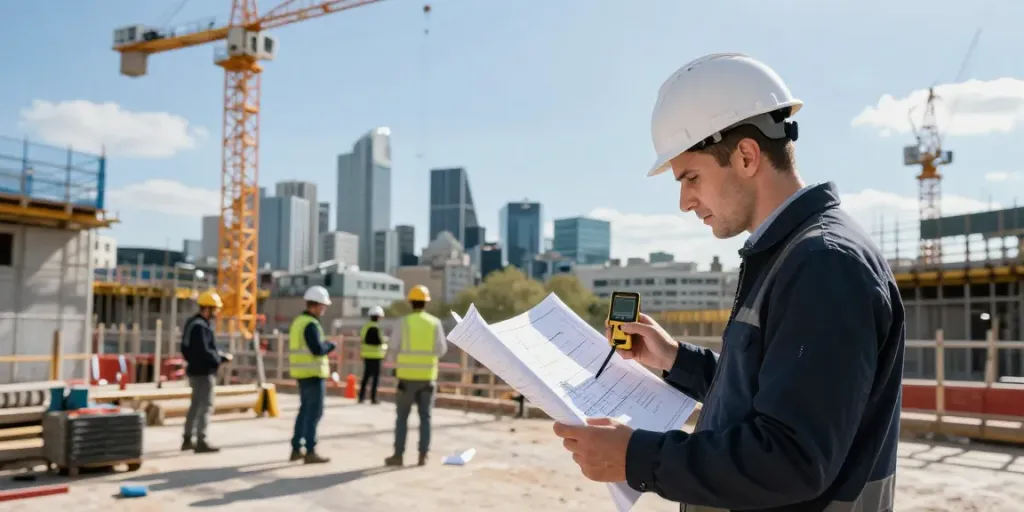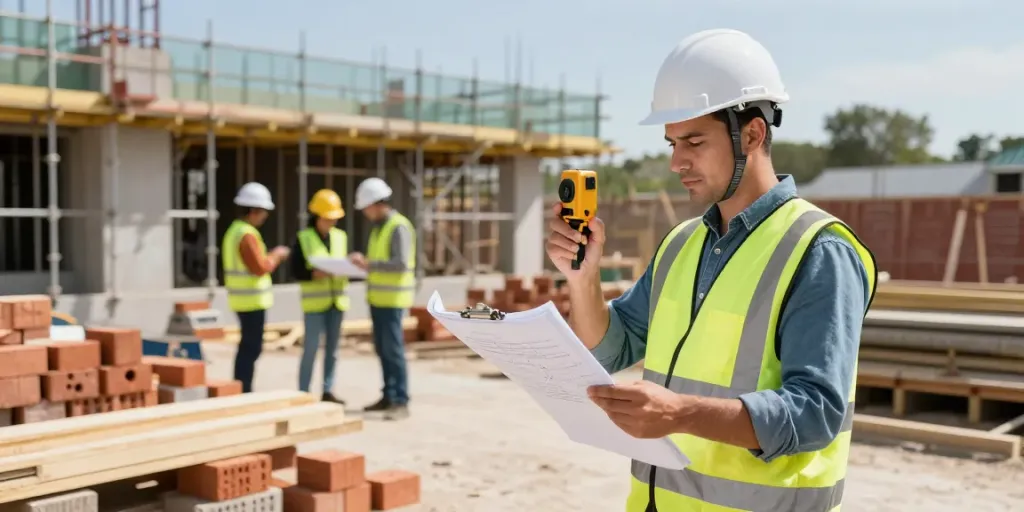
Understanding the Role of a Construction Cost Estimator
In the intricate world of construction, the role of a construction cost estimator is pivotal. These professionals are responsible for evaluating project costs, ensuring financial feasibility and guiding project owners throughout the construction lifecycle. Their expertise allows for accurate budgeting, forecasting, and detailed analysis of expenditures, which is critical for project success.
What Does a Construction Cost Estimator Do?
The primary function of a construction cost estimator is to provide comprehensive cost analyses for construction projects. This includes assessing material costs, labour expenses, and overheads associated with the project. Estimators meticulously review project plans and specifications, calculating quantities and prices of required materials and labour while considering factors like waste and market conditions.
Additionally, they prepare detailed pricing documents, often referred to as Bills of Quantities, that outline all costs involved. These documents serve not only as vital tools for bidding but also as guiding frameworks throughout the project execution. Estimators may also be involved in tendering processes, negotiating with suppliers, and ensuring compliance with industry standards and regulations.
Key Skills and Qualifications for Construction Cost Estimators
To excel in their role, construction cost estimators must possess a unique blend of technical and soft skills. Key skills include:
- Analytical Skills: The ability to interpret data and make calculations accurately is fundamental.
- Detail Orientation: Precision and attention to detail ensure that estimates are as accurate as possible.
- Industry Knowledge: They must stay updated on current building trends, pricing fluctuations, and industry regulations.
- Communication Skills: Effectively communicating cost plans and estimates to stakeholders is crucial.
- Proficient Use of Software: Familiarity with estimating software and tools helps improve efficiency and accuracy in their work.
Typically, a degree in construction management, quantity surveying, or a related field is required for those wishing to enter this profession. Professional certification can enhance credibility and opportunities for career advancement.
Common Misconceptions About Cost Estimating
One prevalent misconception is that cost estimating is solely about crunching numbers. While numerical proficiency is essential, effective estimating also involves strategic planning and risk assessment. Another myth is that estimators only work during the pre-construction phase. In reality, their involvement often extends through project execution, where they assist with cost control and financial reporting.
The Importance of Accurate Cost Estimation in Construction
Accurate cost estimation plays a crucial role in the construction industry. Without reliable estimates, projects can easily veer off budget, leading to significant financial losses and project delays. It is essential for project stakeholders to understand that good estimating practices directly correlate with project outcomes.
How Accurate Estimates Prevent Budget Overruns
When cost estimates are precise, they lay a strong foundation for budgeting. They allow project managers to allocate resources effectively, set realistic timelines, and mitigate risks associated with unexpected costs. Regular updates to estimates throughout the project help ensure that stakeholders remain informed, allowing for timely interventions when necessary.
Real-World Examples of Successful Projects
Numerous construction projects have benefitted from effective cost estimation practices. For instance, a large-scale residential development in London employed a team of skilled estimators who provided detailed analyses that not only kept the project on budget but also enabled the identification of cost-saving opportunities. This proactive approach resulted in a project completion ahead of schedule and under budget, showcasing the value of expert estimators.
The Financial Impact of Misestimating Costs
Misestimating costs can lead to severe consequences, including project delays, contractual disputes, and losses incurred from overspending. For example, a commercial project that failed to accurately estimate material costs faced substantial delays due to supply chain issues caused by budget shortfalls. Such scenarios underline the necessity of engaging qualified construction cost estimators at the project's outset.
Tools and Techniques Used by Construction Cost Estimators
The modern construction cost estimator relies on various tools and techniques to enhance their estimating process. These range from traditional manual methods to sophisticated software solutions that streamline the workflow and improve accuracy.
Software Solutions for Efficient Cost Estimation
In recent years, technology has revolutionized cost estimating in construction. Software tools like Sage Estimating and CostOS provide functionalities such as automated takeoffs and bid management systems. These solutions enable estimators to calculate costs faster and with greater precision, minimizing human error significantly.
Utilising Technology for Accurate Estimates
Besides dedicated estimating software, estimators also use Building Information Modeling (BIM) to create detailed models that assist in visualizing construction processes and costs. This technology helps in identifying potential issues before construction begins, ultimately leading to more accurate cost projections.
Best Practices for Effective Estimating Techniques
To enhance the accuracy and reliability of cost estimates, estimators should adopt best practices such as:
- Conducting Thorough Site Visits: Understanding the project location and conditions can significantly impact cost accuracy.
- Utilizing Historical Data: analysing past project data can provide valuable insights into pricing trends and possible contingencies.
- Engaging Stakeholders: Collaborating with architects, engineers, and project managers ensures that all variables are considered in the estimates.
Challenges Faced by Construction Cost Estimators
While skilled construction cost estimators contribute significantly to project success, they often encounter numerous challenges that can impact their effectiveness.
Identifying Hidden Costs in Construction Projects
One significant challenge is the identification of hidden costs, which can include unforeseen site conditions, changes in project scope, and regulatory compliance costs. Such hidden expenses can lead to budget overruns if not carefully researched and planned for in advance.
Dealing with Market Fluctuations and Material Costs
Estimators must navigate the unpredictable nature of material pricing and market fluctuations. For instance, sudden increases in material costs due to supply chain disruptions can affect the project's bottom line, requiring estimators to provide contingency plans and flexible pricing solutions.
Strategies for Overcoming Estimation Errors
To mitigate errors in estimation, it is crucial to establish a culture of continuous learning and improvement. Regular training sessions on software updates, industry changes, and best practices can enhance an estimator's capability to deliver accurate results consistently. Additionally, peer reviews and collaborative estimating approaches can further reduce the likelihood of errors.
Future Trends in Construction Cost Estimation for 2026 and Beyond
The construction industry is continuously evolving, and so is the role of cost estimators. Awareness of future trends can help stakeholders better prepare for upcoming challenges and opportunities.
Innovations Shaping the Future of Cost Estimation
Innovations such as machine learning and advanced data analytics are beginning to play a critical role in transforming cost estimation practices. These technologies allow for predictive analytics, which can help estimators anticipate costs more accurately based on historical trends and real-time data.
The Growing Role of AI in Construction Estimating
Artificial Intelligence (AI) is increasingly being integrated into estimating software, providing capabilities such as predictive modeling and risk assessment. These AI-driven insights can help estimators make informed decisions, improve efficiency, and ultimately increase project profitability.
Preparing for Changes in Industry Standards and Regulations
As environmental regulations become more stringent, the need for sustainable estimating practices will grow. Estimators will need to adapt their methodologies to factor in sustainability considerations, ensuring that their cost estimates align with eco-friendly building practices and legislative requirements.