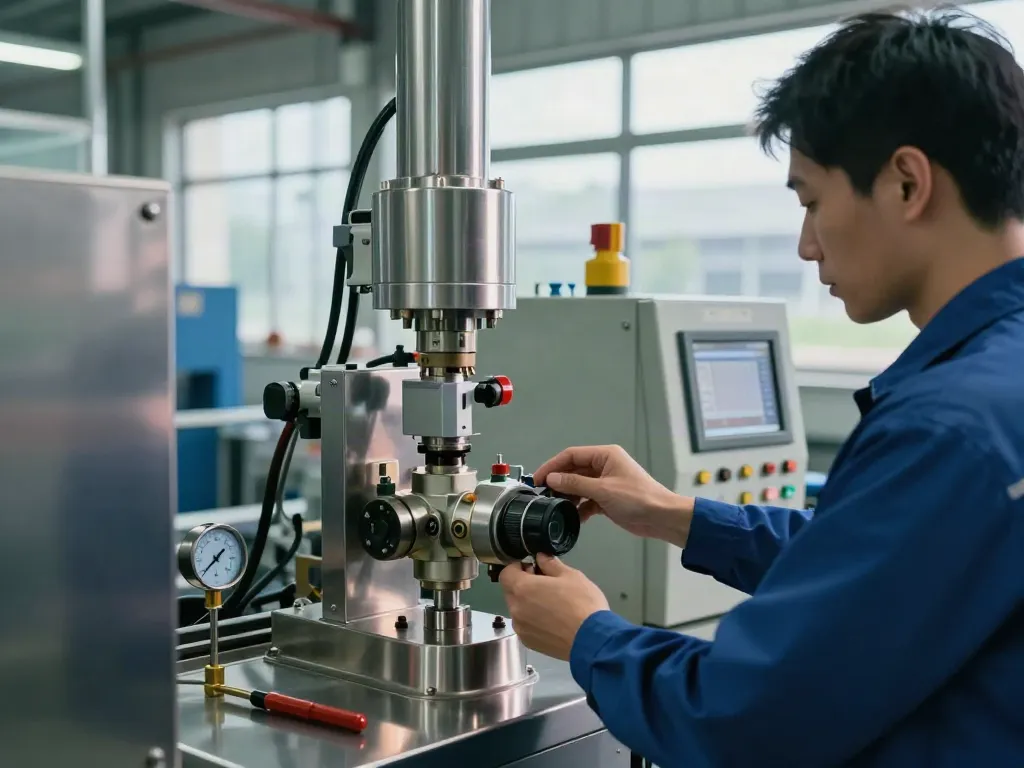
Understanding Mechanical Pressure Switches
Mechanical pressure switches are critical components in numerous industrial applications, serving the essential function of monitoring and regulating pressure levels. In an era where precision and reliability are paramount, these devices have evolved into sophisticated instruments that deliver robust performance in challenging environments. With an array of models tailored to various sectors, it is crucial to understand the core principles and functionalities that define a quality mechanical pressure switch. For those in need of reliable options, exploring a reputable pressure switch manufacturer can provide essential insights into the latest technologies and product performance.
What is a Mechanical Pressure Switch?
A mechanical pressure switch is a type of device that operates based on mechanical principles to monitor pressure levels in gases and liquids. Unlike electronic pressure switches, which rely on electronic sensors and circuits, mechanical pressure switches utilize physical components, such as diaphragms or pistons, to detect pressure changes. When a specific pressure threshold is reached, the mechanical mechanism within the switch activates, typically closing or opening an electrical circuit. This function is crucial for various industrial tasks, including system control, safety mechanisms, and process monitoring.
Operating Principles of Pressure Switches
The operating principles of mechanical pressure switches are straightforward yet effective. These devices primarily consist of a sensing element, typically a diaphragm or piston, that reacts to changes in pressure. As pressure increases or decreases, the sensing element moves accordingly. When the movement reaches a predetermined level, it activates a mechanical action that opens or closes a contact, thereby initiating or interrupting the flow of electricity to the connected system. This simple yet effective action enables precise control of processes and enhances operational safety in industrial settings.
Key Applications in Industry
Mechanical pressure switches serve critical roles across various industries, including manufacturing, HVAC, and water treatment. They are widely used in applications such as:
- Heating, Ventilation, and Air Conditioning (HVAC): Mechanical pressure switches are integral to HVAC systems, regulating pressure to ensure efficient operation and prevent system failures.
- Hydraulics: In hydraulic systems, these switches provide essential feedback for pressure monitoring, ensuring that systems operate within safe and efficient pressure ranges.
- Compressors: Mechanical pressure switches help protect compressors by monitoring discharge pressures and activating shutdown procedures when set thresholds are exceeded.
- Water Treatment: In water treatment facilities, these devices are used to control water pressure in pipelines, ensuring consistent flow and preventing leaks or bursts.
Evaluating Pressure Switch Manufacturers
Choosing the right pressure switch manufacturer is paramount to ensuring quality and reliability in your applications. Not all manufacturers are created equal, and understanding the indicators of quality can save time and resources in the long run. Here are some critical factors to consider when evaluating manufacturers.
Quality Indicators of Pressure Switches
Quality indicators for mechanical pressure switches can include various factors such as material construction, design features, and testing protocols. High-quality pressure switches often feature:
- Robust Materials: Switches made from durable materials, such as stainless steel, are more resistant to wear and corrosion, making them suitable for harsh industrial environments.
- Precision Engineering: Good manufacturers utilize precise engineering techniques to ensure that each switch operates reliably over its intended lifecycle, which can include millions of cycles.
- Long Warranty Terms: A longer warranty period can be indicative of a manufacturer's confidence in their product's durability and performance.
Assessing Manufacturer Reputation
Reputation is a significant marker of a manufacturer’s quality and reliability. Checking customer reviews, industry endorsements, and case studies can provide insights into how well a manufacturer meets industry standards. Networking within industry circles for recommendations can also lead to finding reputable manufacturers known for their exceptional pressure switch products.
Importance of Certifications and Standards
Certifications from recognized organizations, such as ISO or CE, demonstrate that a manufacturer adheres to rigorous quality control standards. These certifications can be essential, particularly in industries with strict compliance requirements, such as pharmaceuticals and food processing. Always verify a manufacturer's certifications before making a purchasing decision to ensure the products meet your specific operational needs.
Features of High-Quality Pressure Switches
When considering mechanical pressure switches, several key features distinguish high-quality options from standard ones. Understanding these features can help buyers make informed choices that best meet their operational demands.
Material and Build Quality
The material and build quality of a pressure switch directly influence its longevity and reliability. High-quality switches are often constructed from:
- Stainless Steel: Offers superior corrosion resistance, making it ideal for use in harsh environments.
- IP-Sealed Housings: Designed to protect against moisture and dust, ensuring consistent operation, even in adverse conditions.
- High-Grade Plastics: Used in specific applications where conductivity is a concern or weight savings are essential.
Calibration and Set Point Accuracy
Precision in calibration is vital for the successful operation of pressure switches. High-quality switches provide easy calibration features, often allowing for field adjustments without specialized tools. Many models come equipped with external adjustment screws and a clear visual scale for quick and accurate calibration.
Durability and Cycle Life Expectations
Durability is a crucial consideration, particularly in high-demand applications. High-quality mechanical pressure switches are designed to withstand millions of cycles, ensuring their reliability over long periods. The expected cycle life can vary by model, with some manufacturers offering switches specially designed for heavy-duty applications.
Common Challenges with Pressure Switches
Despite their reliability, mechanical pressure switches can face challenges that may affect their performance. Understanding these potential issues can help users mitigate risks and ensure consistent operation.
Identifying Potential Failures
Common failures in mechanical pressure switches can stem from mechanical wear, environmental stress, or incorrect calibration. Regular maintenance and checks can help identify these issues before they lead to system failures.
Understanding the Calibration Process
The calibration process is critical for ensuring the accuracy of pressure switches. Users should familiarize themselves with the specific calibration procedures for their chosen models, which may involve adjusting set points based on environmental factors and application requirements.
Addressing Installation Issues
Installation plays a pivotal role in the performance of mechanical pressure switches. Improper installation can lead to inaccurate readings or malfunction. It is essential to follow manufacturer guidelines to ensure optimal performance, including correct orientation, torque specifications, and environmental considerations.
Future Trends in Pressure Switch Technology
As technology evolves, mechanical pressure switches are incorporating advancements that enhance performance, accuracy, and usability. Staying informed about these trends can provide users with a competitive edge in their respective industries.
Advancements in Materials and Design
Future trends indicate a shift towards innovative materials that offer improved durability and resistance to harsh chemicals and temperatures. Advances in design are also focused on compactness and integration with existing systems to reduce space requirements while enhancing functionality.
Eco-Friendly Manufacturing Practices
With increasing emphasis on sustainability, manufacturers are adopting eco-friendly practices in their production processes. This includes using recyclable materials and minimizing waste during manufacturing, which can contribute to reduced environmental impact.
The Role of IoT in Pressure Monitoring
The integration of Internet of Things (IoT) technology is transforming mechanical pressure switches into smart devices capable of real-time monitoring and remote control. This trend promises to enhance system efficiency, reduce downtime, and improve data analytics capabilities in industrial applications.