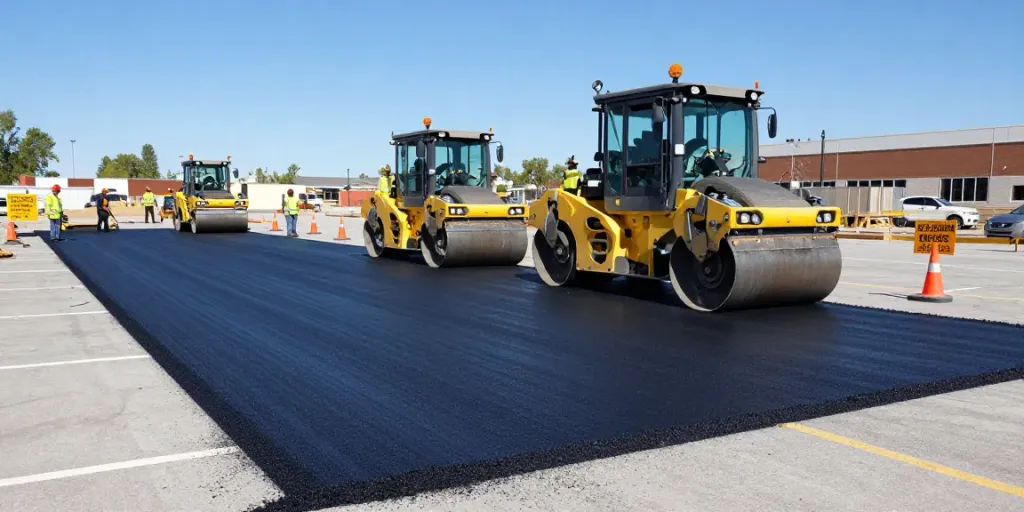
Understanding the Asphalt Paving Process
Asphalt paving is a crucial aspect of modern infrastructure, providing durable surfaces for roads, driveways, and parking lots. This process involves laying asphalt, a mixture of aggregates and a binder, which hardens to form a resilient surface suitable for various applications. In a city like Edmonton, where weather conditions can vary dramatically throughout the year, understanding the nuances of asphalt paving is essential for property owners and contractors alike. For those seeking reliable options, Edmonton paving company services offer comprehensive insights into what you need for your project.
What Is Asphalt Paving and Why Is It Important?
Asphalt paving serves as the foundation for roads, driveways, and parking lots, playing a pivotal role in transportation and accessibility. Asphalt is favored for its smooth finish, durability, and ability to withstand heavy traffic, making it an ideal choice for both residential and commercial projects. Moreover, asphalt is recyclable, aligning with sustainability practices that are increasingly prioritized in modern construction.
The Stages of Asphalt Paving: A Step-by-Step Guide
The asphalt paving process consists of several critical stages, ensuring that the final product is of high quality and longevity. Here’s a breakdown of the typical stages involved:
- Site Preparation: This initial step involves clearing the area of debris, vegetation, and existing surface materials to create a stable foundation.
- Grading: Once cleared, the site is graded to ensure proper drainage, which is essential for preventing water accumulation that can weaken the asphalt.
- Base Layer Installation: A base layer, typically made of crushed stone or gravel, is laid to provide a solid foundation for the asphalt.
- Asphalt Application: Hot asphalt is laid down in a uniform layer, typically 2-3 inches thick, and then compacted to ensure a smooth surface.
- Seal Coating: After the asphalt cools, a sealant is often applied to protect the surface from UV rays, weather conditions, and chemical spills.
Common Misconceptions About Asphalt Installation
There are several myths surrounding asphalt paving that can misguide property owners. One prevalent misconception is that asphalt paving can be done at any time of the year. While it's true that it can be paved in cooler temperatures, extreme cold can affect the installation and performance of the asphalt. Another misconception is that thicker layers of asphalt are always better; however, the quality of the materials and proper installation processes are far more critical to the longevity of the surface.
Choosing the Right Edmonton Paving Company
Selecting a reputable paving contractor is vital for ensuring that your project is completed to standard. With multiple options available in the market, understanding what to look for can help streamline your decision-making process.
What to Look for in a Professional Paving Contractor
When searching for an Edmonton paving company, consider the following criteria:
- Experience: Look for contractors with a proven track record in asphalt paving. Companies that have been in business for several years are likely to have the necessary expertise.
- Portfolio: Review their past projects to gauge the quality of their work. A well-documented portfolio can provide insight into their style and capabilities.
- Licensing and Insurance: Ensure the company is fully licensed to operate in Alberta and has liability insurance to protect you from potential damages during the project.
- Client Testimonials: Reading reviews and testimonials from previous clients can provide a clearer picture of the contractor’s reliability and workmanship.
Evaluating Edmonton Paving Company Reviews and Testimonials
Online reviews can be an invaluable resource when selecting a paving company. Platforms like Google, Yelp, and the Better Business Bureau provide a wealth of information. Pay attention to patterns in reviews, especially regarding customer service, quality of work, and adherence to timelines. Filter out extreme opinions and look for balanced feedback that reflects the company’s overall performance.
Questions to Ask Before Hiring a Paving Company
Before signing a contract, engage potential contractors with specific questions to clarify any uncertainties:
- What is your paving process? Understanding their procedures will help gauge their professionalism.
- What warranties do you offer? Warranties can give you peace of mind about the longevity of the paving work.
- Can you provide references? Speaking to previous clients can offer firsthand insight into their experiences.
Cost Factors of Asphalt Paving in Edmonton
Understanding the cost structure of asphalt paving can help you budget effectively for your project. Numerous factors influence the final pricing, making it essential to gather comprehensive quotes from multiple contractors.
Average Costs for Paving Projects in 2026
As of 2026, the average cost for asphalt paving in Edmonton typically ranges from $3 to $5 per square foot, depending on the complexity of the project and the quality of materials used. Smaller residential driveways may cost less, while larger commercial projects could result in higher expenses due to additional site preparation and labor requirements.
Understanding Cost Variations: Residential vs. Commercial
Residential paving projects generally cost less due to their smaller scale and simpler requirements. In contrast, commercial paving projects often involve extensive site work, higher traffic volume considerations, and the need for more durable materials, which can increase costs significantly.
Common Hidden Costs in Paving Projects
When budgeting for your paving project, be aware of potential hidden costs that can arise:
- Site Preparation: Costs for grading, excavation, or removal of existing materials may not be included in the initial quote.
- Permits: Local regulations may require permits for paving work, which can add to overall expenses.
- Maintenance: Consider future maintenance and seal coating costs to ensure the longevity of your pavement.
Maintaining Your Asphalt Surfaces
Once your asphalt surface is installed, proper maintenance is crucial for maximizing its lifespan and performance. In Edmonton's varying climate, specific seasonal considerations must be taken into account.
Best Practices for Asphalt Maintenance in Edmonton’s Climate
In Edmonton, where cold winters and hot summers can take a toll on asphalt, implementing effective maintenance practices is essential. Regular inspections can help identify cracks or signs of wear early, allowing for timely repairs. Besides regular cleaning, ensuring proper drainage to minimize water pooling can prevent significant damage over time.
When to Sealcoat Your Asphalt: A Complete Guide
Sealcoating is a protective measure that can enhance the life of your asphalt surface. Here are guidelines on when to consider sealcoating:
- After the first year of installation and then every 2-3 years thereafter.
- If you notice signs of oxidation, fading, or small cracks on the surface.
Signs It’s Time for Asphalt Repair or Replacement
Identifying when to repair or replace your asphalt is crucial for preventing further damage. Key signs include:
- Large cracks or holes that compromise the integrity of the surface.
- Pooling water that indicates drainage issues.
- Significant fading or discoloration that affects aesthetics.
Future Trends in Asphalt Paving
The asphalt paving industry is continuously evolving, with new technologies and practices shaping the future. Staying informed about these trends can benefit property owners and paving contractors alike.
Innovative Technologies Impacting the Paving Industry
Emerging technologies, such as 3D paving control systems, are revolutionizing how paving projects are executed. These systems enhance precision and efficiency, resulting in higher-quality surfaces with less material waste.
Sustainability Practices in Asphalt Production and Installation
Sustainability is a focal point in the paving industry, with many companies adopting recycled materials in asphalt production. This not only helps reduce environmental impact but also leads to cost savings in material procurement. Look for companies that prioritize eco-friendly practices.
What to Expect in the Edmonton Paving Market by 2026
As we move further into the decade, the Edmonton paving market is expected to continue expanding, driven by urban development and infrastructure needs. Increased competition among paving companies will likely result in better quality services and innovations that enhance the longevity and sustainability of asphalt paving.
How much is a 20x20 asphalt driveway?
A 20x20 asphalt driveway typically costs between $1,200 and $2,000, depending on the contractor, materials used, and site conditions.
What is the average cost of an asphalt driveway in Edmonton, Canada?
The average cost for an asphalt driveway in Edmonton ranges from $3,000 to $6,000, based on factors such as size, quality of materials, and the complexity of the installation.
How much is 1000 sq ft of asphalt?
The cost for paving 1,000 square feet of asphalt generally falls between $3,000 and $5,000, reflecting the average price per square foot in Edmonton.
Is 2 inches of asphalt enough for a driveway?
While 2 inches of asphalt can suffice for lighter residential use, it is often recommended to go for a minimum of 3 inches for heavier traffic areas or commercial applications to ensure durability.
What are common paving materials used in Edmonton?
Common paving materials in Edmonton include hot mix asphalt, concrete, interlocking pavers, and gravel, each serving different purposes and offering unique benefits depending on the project requirements.